Robbie Shone Photography
  • Home
  • About Robbie
  • Portfolios
    • Greenland Cave Science
    • Tren Maya: Ecocide
    • Deepest Cave in the World
    • Gabon Cave Science
    • Alpine Ice Caves
    • Martian Analogs
    • Giant Caves of Mulu
    • Untamed Rivers of PNG
    • Veins of the Dragon
    • Pharaohs of Sudan
    • Neanderthal Art
    • Worlds Largest Cave Fish
    • Lechuguilla
    • Dark Star – Into The Deep
    • The Home of Speleology
    • Glacier Cave Exploration
    • Exploring the Lost World
    • Abyss of Cenote
    • Mexico’s Poisonous Cave
  • Prints
  • Hidden Worlds
  • Support
  • Contact
  • Home
  • About Robbie
  • Portfolios
    • Greenland Cave Science
    • Tren Maya: Ecocide
    • Deepest Cave in the World
    • Gabon Cave Science
    • Alpine Ice Caves
    • Martian Analogs
    • Giant Caves of Mulu
    • Untamed Rivers of PNG
    • Veins of the Dragon
    • Pharaohs of Sudan
    • Neanderthal Art
    • Worlds Largest Cave Fish
    • Lechuguilla
    • Dark Star – Into The Deep
    • The Home of Speleology
    • Glacier Cave Exploration
    • Exploring the Lost World
    • Abyss of Cenote
    • Mexico’s Poisonous Cave
  • Prints
  • Hidden Worlds
  • Support
  • Contact

Giant Caves of Mulu

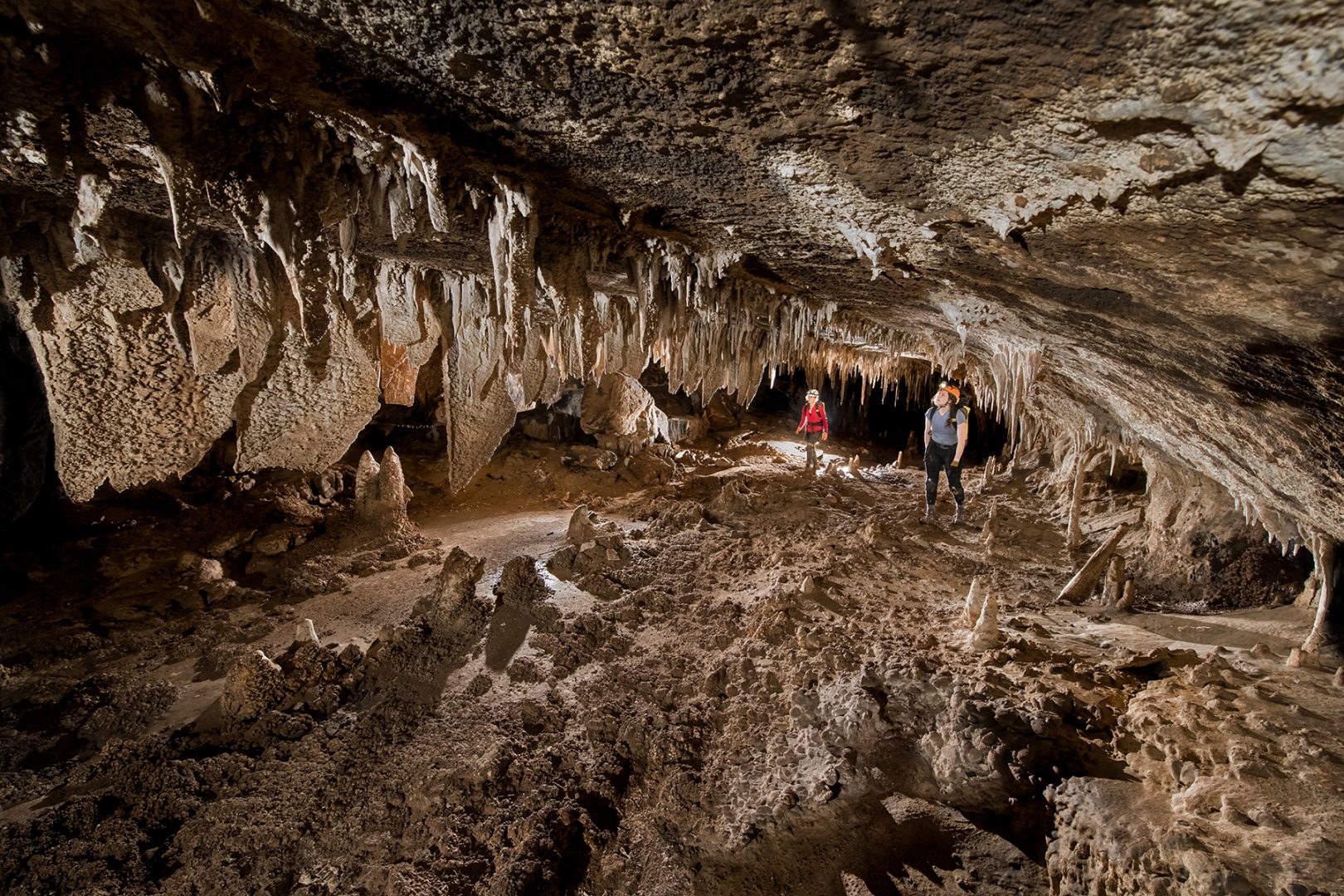
In the entrance series of a cave in Gunung Mulu National Park, Borneo called Whiterock, Keel passage contains unusual speleothems and cave formations. Paleoclimatologists Prof. Gina Moseley (pictured in red) and Dr. Nele Meckler admire the 'keel' shaped formations draping down from the ceiling of the cave. It is unknown exactly how these have formed. Many believe that wind blowing through this low passage has blown the calcified drip water in such a way, forming wide but thin shapes similar to a fin or a keel.
  • 
  • 
  • 

Copyright © Robbie Shone 2023.