Robbie Shone Photography
  • Home
  • About Robbie
  • Portfolios
    • Greenland Cave Science
    • Tren Maya: Ecocide
    • Deepest Cave in the World
    • Gabon Cave Science
    • Alpine Ice Caves
    • Martian Analogs
    • Giant Caves of Mulu
    • Untamed Rivers of PNG
    • Veins of the Dragon
    • Pharaohs of Sudan
    • Neanderthal Art
    • Worlds Largest Cave Fish
    • Lechuguilla
    • Dark Star – Into The Deep
    • The Home of Speleology
    • Glacier Cave Exploration
    • Exploring the Lost World
    • Abyss of Cenote
    • Mexico’s Poisonous Cave
  • Prints
  • Hidden Worlds
  • Support
  • Contact
  • Home
  • About Robbie
  • Portfolios
    • Greenland Cave Science
    • Tren Maya: Ecocide
    • Deepest Cave in the World
    • Gabon Cave Science
    • Alpine Ice Caves
    • Martian Analogs
    • Giant Caves of Mulu
    • Untamed Rivers of PNG
    • Veins of the Dragon
    • Pharaohs of Sudan
    • Neanderthal Art
    • Worlds Largest Cave Fish
    • Lechuguilla
    • Dark Star – Into The Deep
    • The Home of Speleology
    • Glacier Cave Exploration
    • Exploring the Lost World
    • Abyss of Cenote
    • Mexico’s Poisonous Cave
  • Prints
  • Hidden Worlds
  • Support
  • Contact

Exploring the Lost World

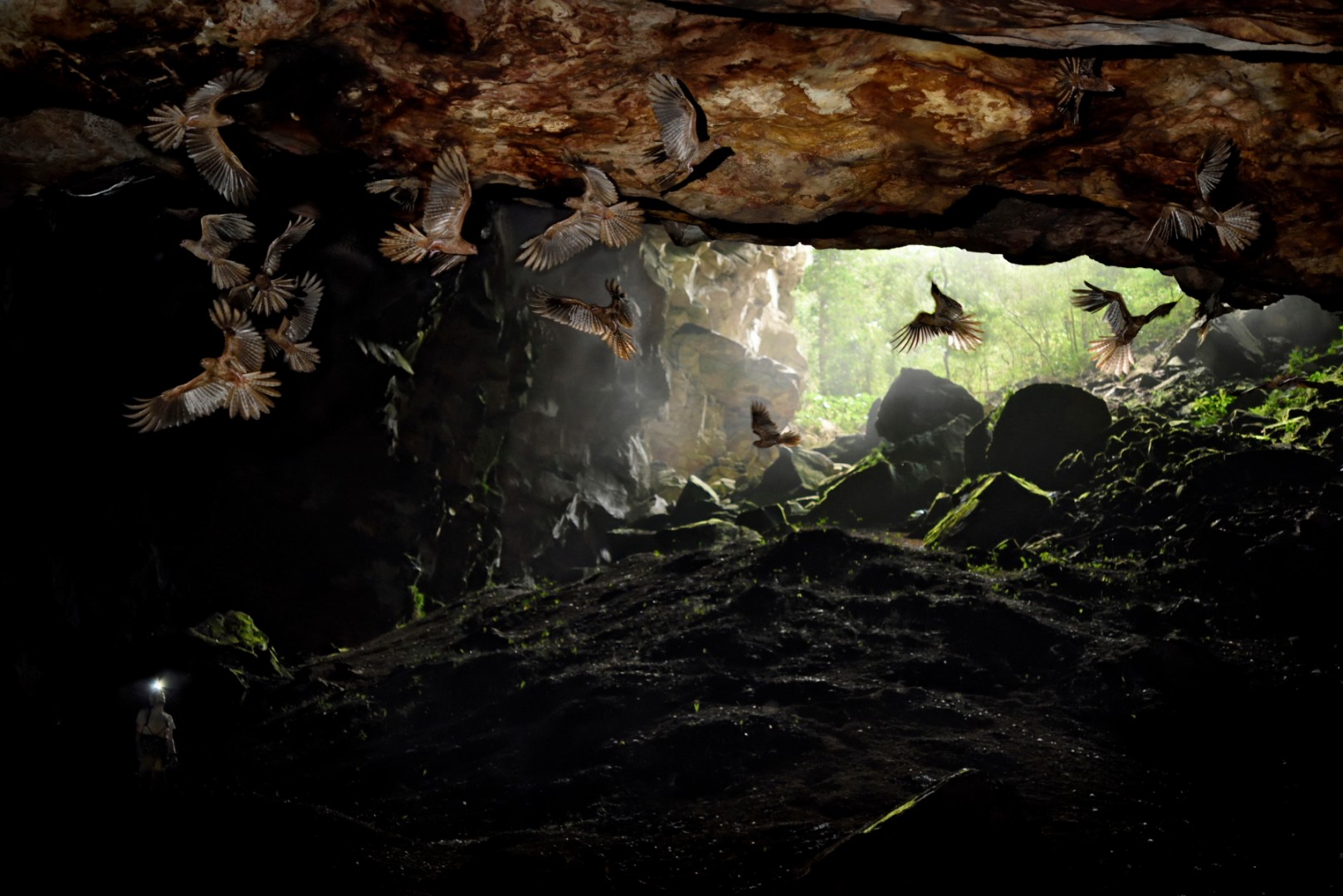
Guácharo cave is well named. These birds also known as 'Oilbirds' nest in colonies underground in caves. Like bats they are nocturnal feeders and feed on fruit, oil palm and tropicla laurels. They are the only nocturnal flying fruit-eating birds in the world (the kakapo is flightless). They forage at night, with specially adapted eyesight. However they navigate by echolocation in the same way as bats, and are the only birds known to do so. They produce a high-pitched clicking sound of around 2 kHz that is audible to humans.
  • 
  • 
  • 

Copyright © Robbie Shone 2023.