Robbie Shone Photography
  • Home
  • About Robbie
  • Portfolios
    • Greenland Cave Science
    • Tren Maya: Ecocide
    • Deepest Cave in the World
    • Gabon Cave Science
    • Alpine Ice Caves
    • Martian Analogs
    • Giant Caves of Mulu
    • Untamed Rivers of PNG
    • Veins of the Dragon
    • Pharaohs of Sudan
    • Neanderthal Art
    • Worlds Largest Cave Fish
    • Lechuguilla
    • Dark Star – Into The Deep
    • The Home of Speleology
    • Glacier Cave Exploration
    • Exploring the Lost World
    • Abyss of Cenote
    • Mexico’s Poisonous Cave
  • Prints
  • Hidden Worlds
  • Support
  • Contact
  • Home
  • About Robbie
  • Portfolios
    • Greenland Cave Science
    • Tren Maya: Ecocide
    • Deepest Cave in the World
    • Gabon Cave Science
    • Alpine Ice Caves
    • Martian Analogs
    • Giant Caves of Mulu
    • Untamed Rivers of PNG
    • Veins of the Dragon
    • Pharaohs of Sudan
    • Neanderthal Art
    • Worlds Largest Cave Fish
    • Lechuguilla
    • Dark Star – Into The Deep
    • The Home of Speleology
    • Glacier Cave Exploration
    • Exploring the Lost World
    • Abyss of Cenote
    • Mexico’s Poisonous Cave
  • Prints
  • Hidden Worlds
  • Support
  • Contact

Abyss of Cenote

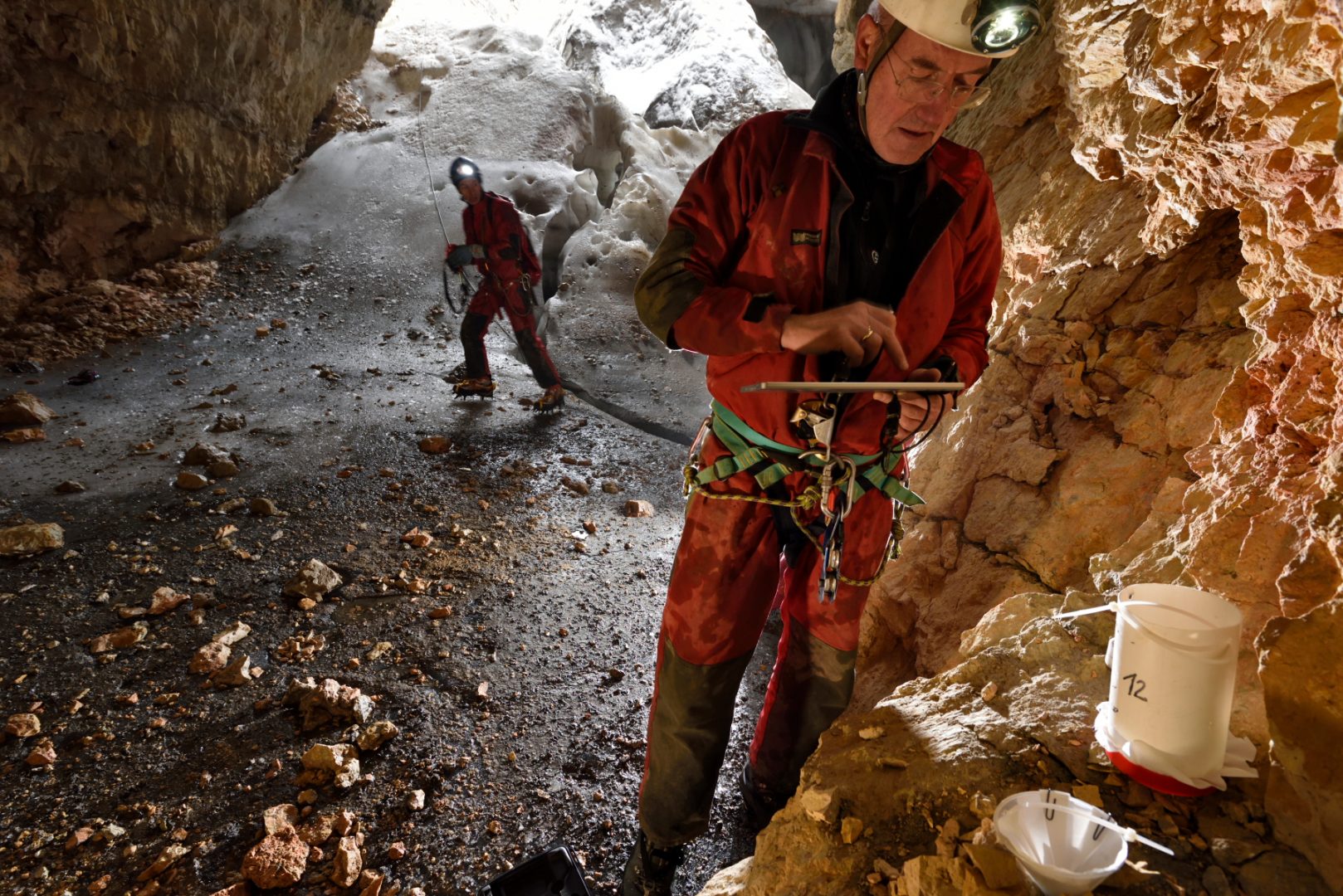
Just inside the entrance of Abyss of Cenote (cave), Professor Christoph Spötl from the Innsbruck University Quaternary Research Group is seen here checking a data logger for environmental monitoring of the cave's meteorology. Assisted by Dr. Gina Moseley and Andreas Treyer (background), the researchers also replaced pollen traps at different locations and elevations throughout the cave. Unfortunately, after a long rigging trip to the bottom of the cave, it was discovered that one of the loggers had been washed away in floods during the previous year. Still, they were able to collect some useful information from the loggers and traps in order to better understand the flux of airflow (and pollen) through the cave.
  • 
  • 
  • 

Copyright © Robbie Shone 2023.