Robbie Shone Photography
  • Home
  • About Robbie
  • Portfolios
    • Greenland Cave Science
    • Tren Maya: Ecocide
    • Deepest Cave in the World
    • Gabon Cave Science
    • Alpine Ice Caves
    • Martian Analogs
    • Giant Caves of Mulu
    • Untamed Rivers of PNG
    • Veins of the Dragon
    • Pharaohs of Sudan
    • Neanderthal Art
    • Worlds Largest Cave Fish
    • Lechuguilla
    • Dark Star – Into The Deep
    • The Home of Speleology
    • Glacier Cave Exploration
    • Exploring the Lost World
    • Abyss of Cenote
    • Mexico’s Poisonous Cave
  • Prints
  • Hidden Worlds
  • Support
  • Contact
  • Home
  • About Robbie
  • Portfolios
    • Greenland Cave Science
    • Tren Maya: Ecocide
    • Deepest Cave in the World
    • Gabon Cave Science
    • Alpine Ice Caves
    • Martian Analogs
    • Giant Caves of Mulu
    • Untamed Rivers of PNG
    • Veins of the Dragon
    • Pharaohs of Sudan
    • Neanderthal Art
    • Worlds Largest Cave Fish
    • Lechuguilla
    • Dark Star – Into The Deep
    • The Home of Speleology
    • Glacier Cave Exploration
    • Exploring the Lost World
    • Abyss of Cenote
    • Mexico’s Poisonous Cave
  • Prints
  • Hidden Worlds
  • Support
  • Contact

Gabon Cave Science

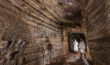
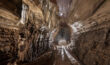
Here, team member Dr. Alexis Ndongo examines the cave wall stratigraphy. The caves of Ngounié Province are developed in ancient sedimentary rocks deposited around 650 million years ago, before complex life forms evolved on Earth. Here, the strata alternates from light coloured carbonates to dark coloured clayey siltstones reflecting periodic rising and falling of sea level under natural variations in Earth’s climate. The problem with climate change today is the speed and magnitude of the change over less than 200 years.
  • 
  • 
  • 

Copyright © Robbie Shone 2023.